It’s the first question almost every homeowner asks us, and it’s a fair one. A new roof is a significant investment in your home, and you deserve a clear answer before anyone climbs a ladder.
The honest answer is that roof replacement cost in New Hampshire varies more than most people expect. Two houses on the same street can carry very different numbers depending on roof size, pitch, how many layers of existing roofing material are already up there, the condition of the wood underneath, and how much flashing and ventilation work the job actually requires. What we can do is walk you through realistic ranges, explain what moves the price up or down, and show you what a complete replacement should include so you can compare multiple quotes with confidence.
How Roofing Contractors Measure and Price a Roof
Roofing costs are calculated per square, and one square equals 100 square feet of roof area. When a contractor talks about a 22 square roof, that’s 2,200 square feet of roof surface, not the square footage of your living space.
Across the country, roof replacement generally runs somewhere between $4 and $11 per square foot installed, and New Hampshire tends to fall in the middle to upper part of that band because of our labor rates and our winter detailing requirements. Labor often accounts for a majority of the total cost on a re roof, which is why roof complexity matters as much as material choice.
Roof removal is priced separately on most estimates, commonly in the range of $0.40 to $2.00 per square foot depending on how many layers come off and how far the dumpster sits from the house.
Typical Roof Replacement Costs in New Hampshire
For most single-family homes in the state, an asphalt shingle roof replacement project generally falls between $10,000 and $25,000. Smaller ranches and capes with a simple pitched roof often land near the lower end. Larger colonials with multiple dormers, steep slopes, or several roof planes sit higher.
Material choice is the single biggest factor in new roof cost:
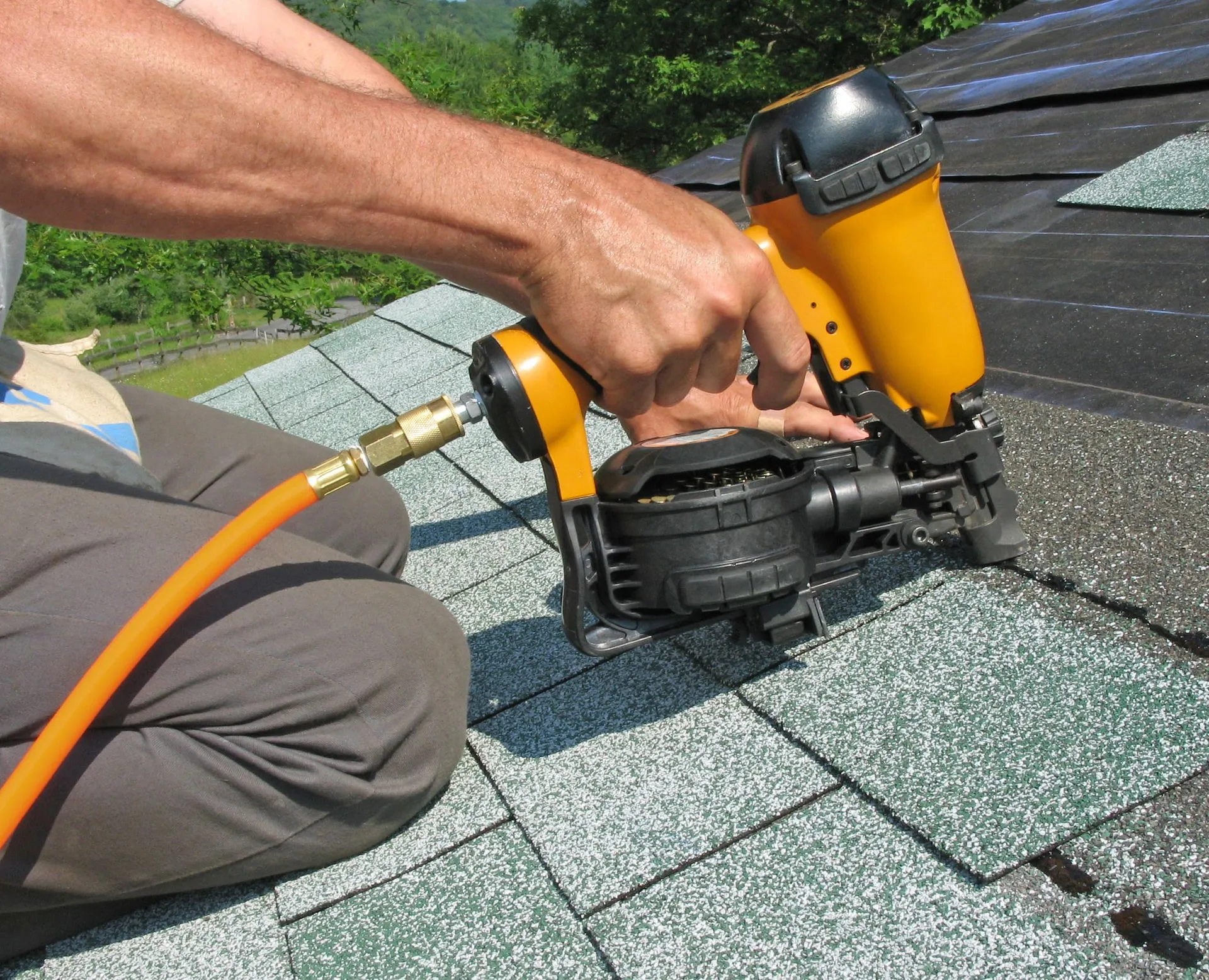
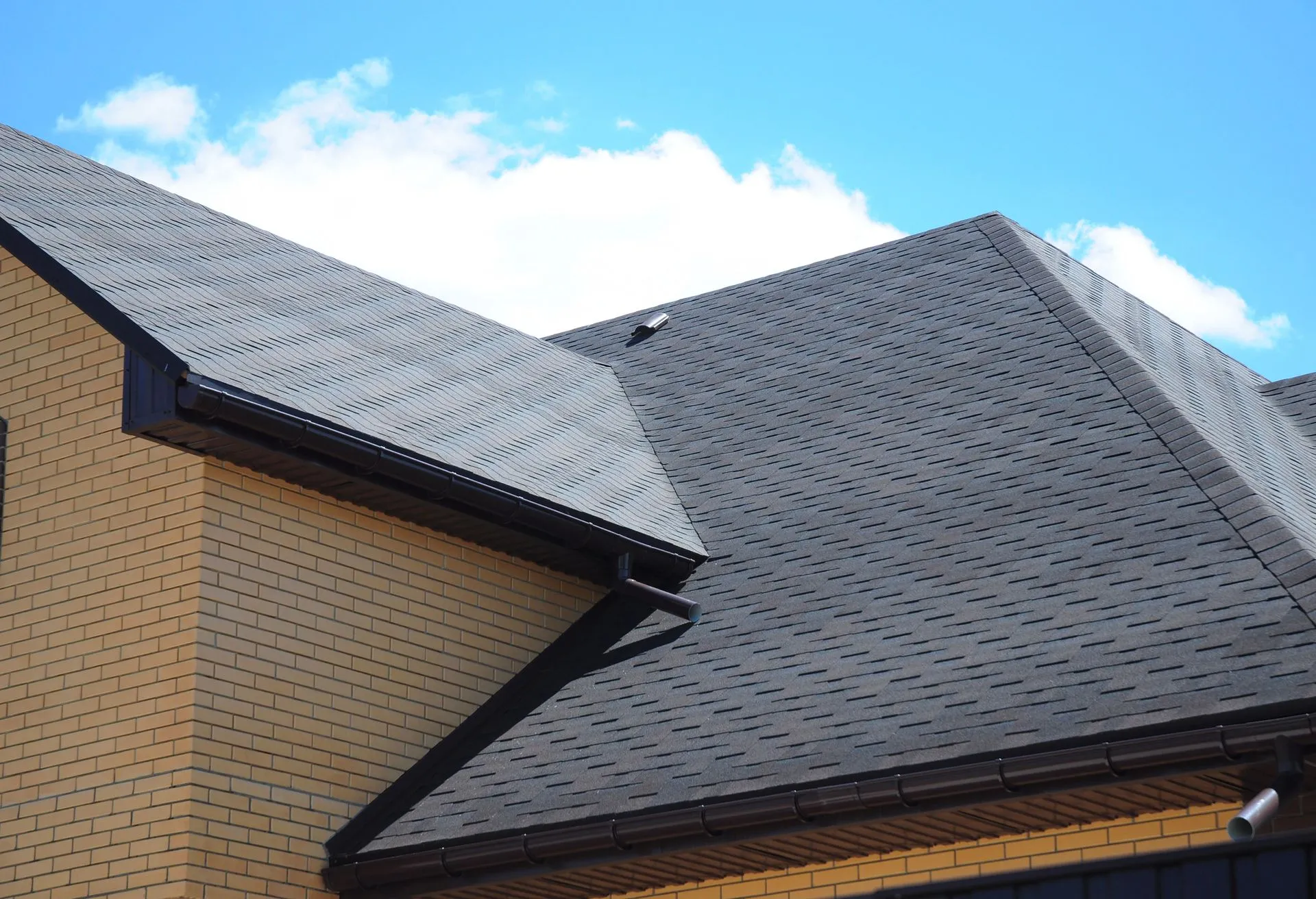
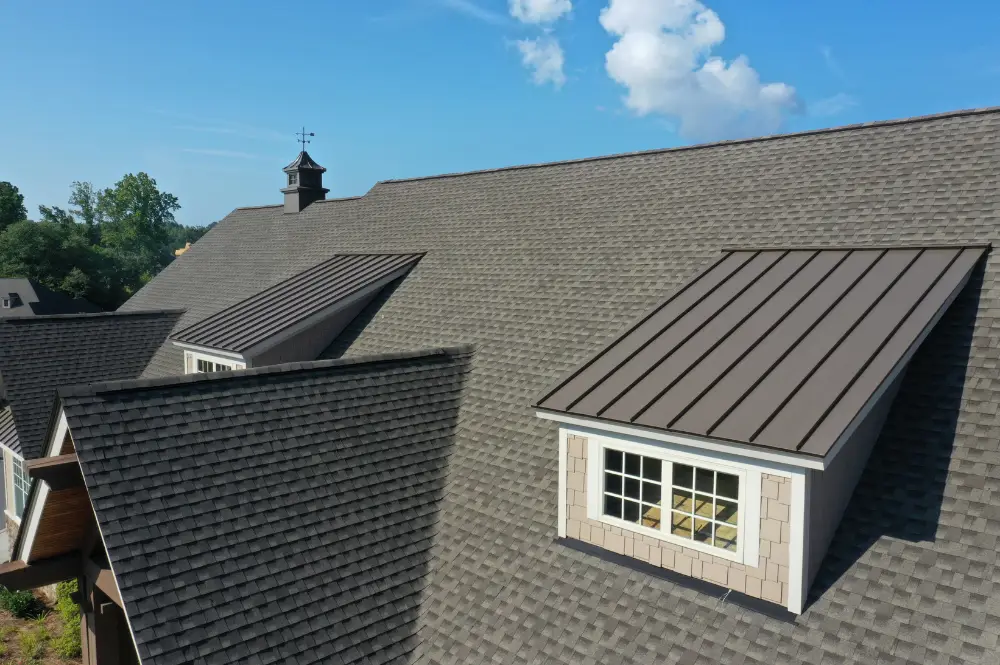
Architectural shingles remain the most common roofing material on New Hampshire homes and throughout North America. They hold up well against New England weather, carry strong wind ratings, and give homeowners a wide range of colors at a reasonable price point. Most asphalt shingle projects on average-size homes fall in the $9,000 to $18,000 range.
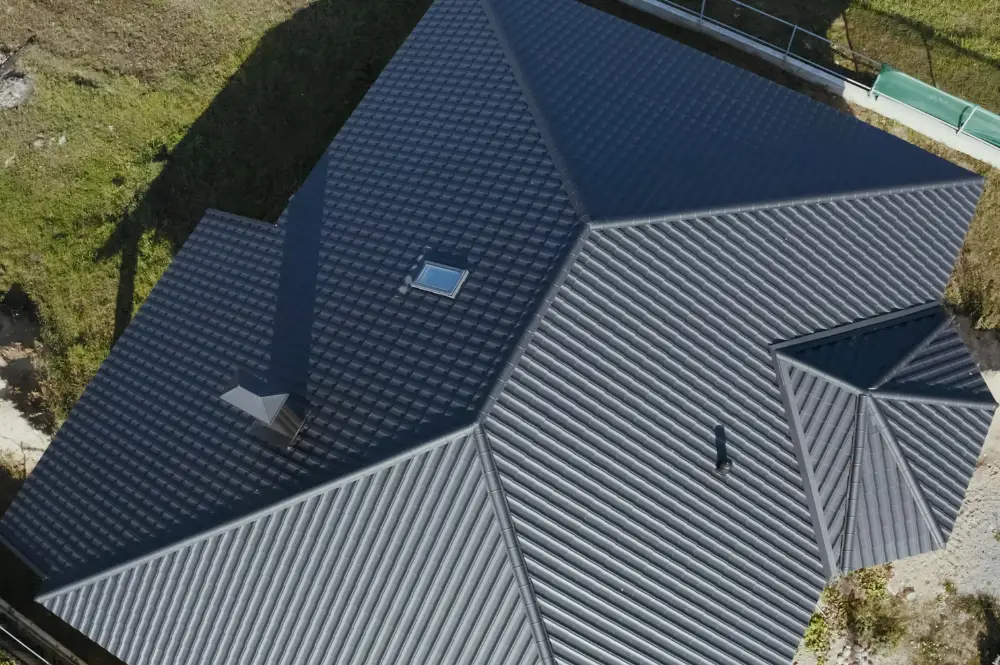
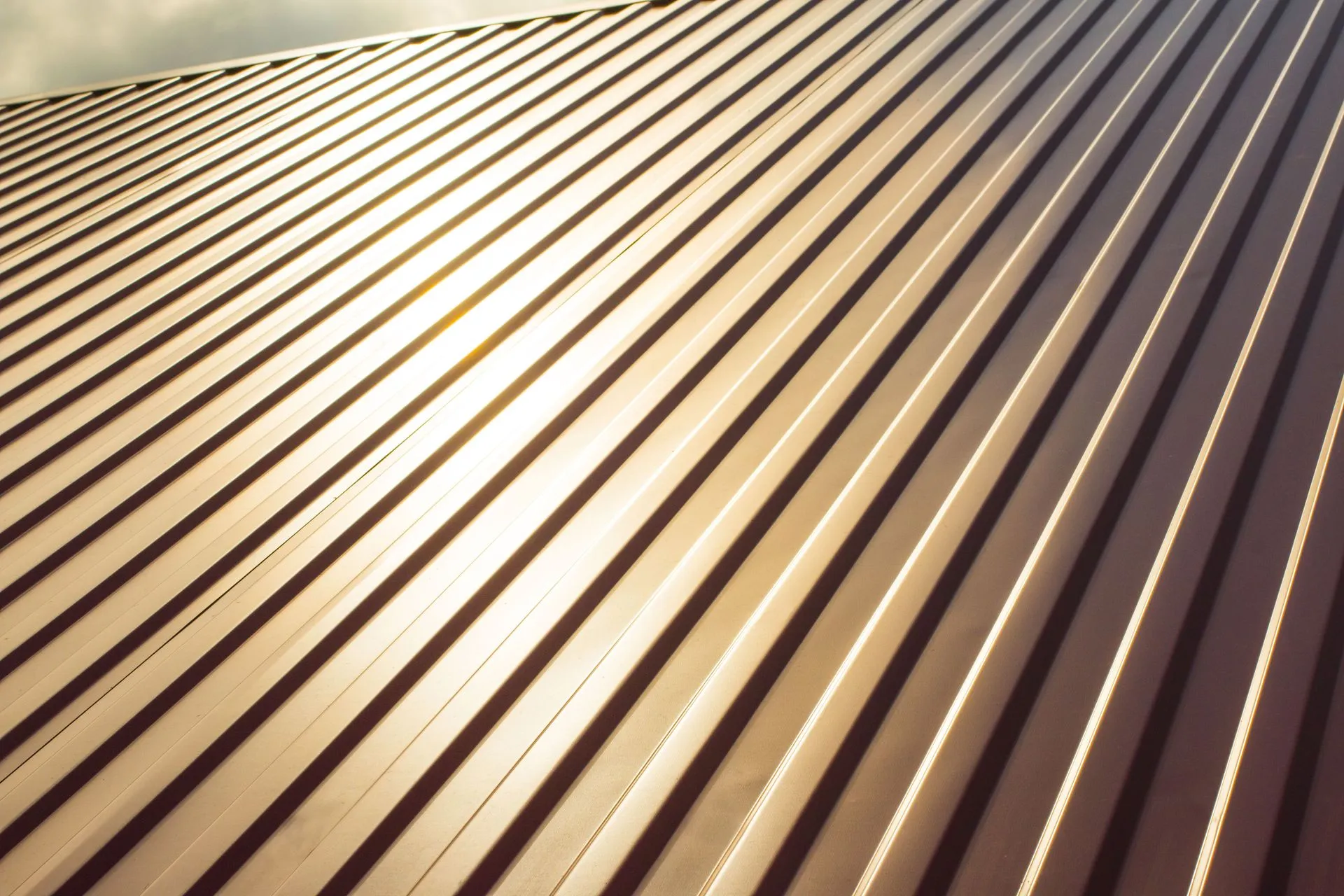
Metal roofing typically costs two to three times as much as asphalt shingles, with a wide spread depending on whether you choose standing seam or metal shingles. Homeowners in the Lakes Region and the North Country often choose metal for its longevity and its ability to shed snow.
Slate roof and clay or concrete tile systems carry the highest costs and usually appear on historic properties. Slate tiles can last well over a century with proper care, and concrete tiles routinely last 50 years or more, but both are heavy. Roof tiles of that weight require structural support, and part of our evaluation is confirming whether the framing can carry them. Choosing a lighter roofing material sometimes removes the need for structural changes altogether.
Flat roof and low-slope systems on additions, porches, and commercial buildings are priced by system type rather than by shingle count, and they require different detailing than a pitched roof.
We give every homeowner a written estimate with line items rather than a single number scribbled on the back of a business card. If you want to know how much a roof costs on your specific home, that document is where the real answer lives.
How Much Does It Cost to Replace a Roof on a 1,500 Square Foot House?
This is one of the most common searches we see, and it’s worth clearing up a piece of confusion first. A 1,500 square foot house does not have 1,500 square feet of roof. Once you account for pitch, overhangs, and multiple roof planes, that home usually has closer to 1,700 to 2,200 square feet of roof area, or roughly 17 to 22 squares.
For a home in that range, an asphalt shingle replacement in New Hampshire commonly falls between $11,000 and $19,000, depending on roof complexity, tear-off requirements, and any deck repairs discovered once the old roof comes off. A steep roof with three dormers and a chimney will always cost more than a simple gable roof with the same square footage, because more square footage of flashing, more cutting, and more detail work go into it.
What Actually Drives Replacement Costs
When homeowners ask how much a roof replacement costs, the variables below explain most of the difference between two bids.
Roof size and complexity. Valleys, dormers, skylights, hips, and multiple planes all slow installation down and raise labor costs.
Roof pitch. Steeper pitches require more material to cover the same footprint, plus additional fall protection and slower, more careful work.
Tear-off and disposal. Removing one layer of asphalt shingles is straightforward. Removing two or three, which we still find regularly on older New Hampshire homes, adds labor and disposal fees.
Decking condition. We don’t know what the plywood looks like until the existing roof is off. Soft or rotted sheathing has to be replaced, and we tell you the per-sheet cost up front so there are no surprises mid-project.
Flashing. Chimneys, sidewalls, skylights, and valleys are where most water damage begins. Replacing flashing properly costs more than reusing what’s there, and it’s one of the first places a low bid cuts corners.
Ventilation and roof insulation. Balanced intake and exhaust extends shingle life and helps reduce ice dam formation during our long winters. If attic ventilation or insulation is inadequate, correcting it becomes part of the scope.
Ice and water protection. New Hampshire winters call for generous coverage at eaves, valleys, and around penetrations. This is not the place to economize.
Trim, soffit boards, and gutters. Rotted soffit boards and fascia are common on older homes, and many homeowners replace gutters at the same time since the crew is already on site.
What a Complete Roof Installation Should Include
A quote that looks unusually low is often missing something. Before you sign with any roofing company, make sure the scope covers:
- Full tear-off to the deck and inspection of all sheathing
- Ice and water barrier at eaves, valleys, and penetrations
- Synthetic underlayment across the field
- New drip edge at rakes and eaves
- New step, counter, and valley flashing where required
- Ridge vent or an equivalent balanced ventilation plan
- Starter strip and ridge cap from the same manufacturer
- Complete cleanup, magnetic sweep, and debris removal
- Written material coverage and contractor warranty terms
Sentry backs our roofing work with a lifetime workmanship warranty. Materials carry their own manufacturer coverage, and we explain both in plain language so you know what’s protected and for how long.
Why the Cheapest Bid Often Costs More
We’ve replaced roofs that were installed only eight or nine years earlier. In nearly every case the failure traced back to details rather than shingles: flashing that was caulked instead of replaced, no ice and water barrier where the roof met the porch, ventilation that was never corrected. The shingles were fine. Everything around them wasn’t.
Paying twice is the most expensive way to buy a roof. Higher costs on a quote sometimes reflect a better scope, so compare what’s actually being installed before you compare totals. Durable materials and correct installation are how you save money over the life of the roof, not at signing.
If You’re Considering Solar Panels, Sequence Matters
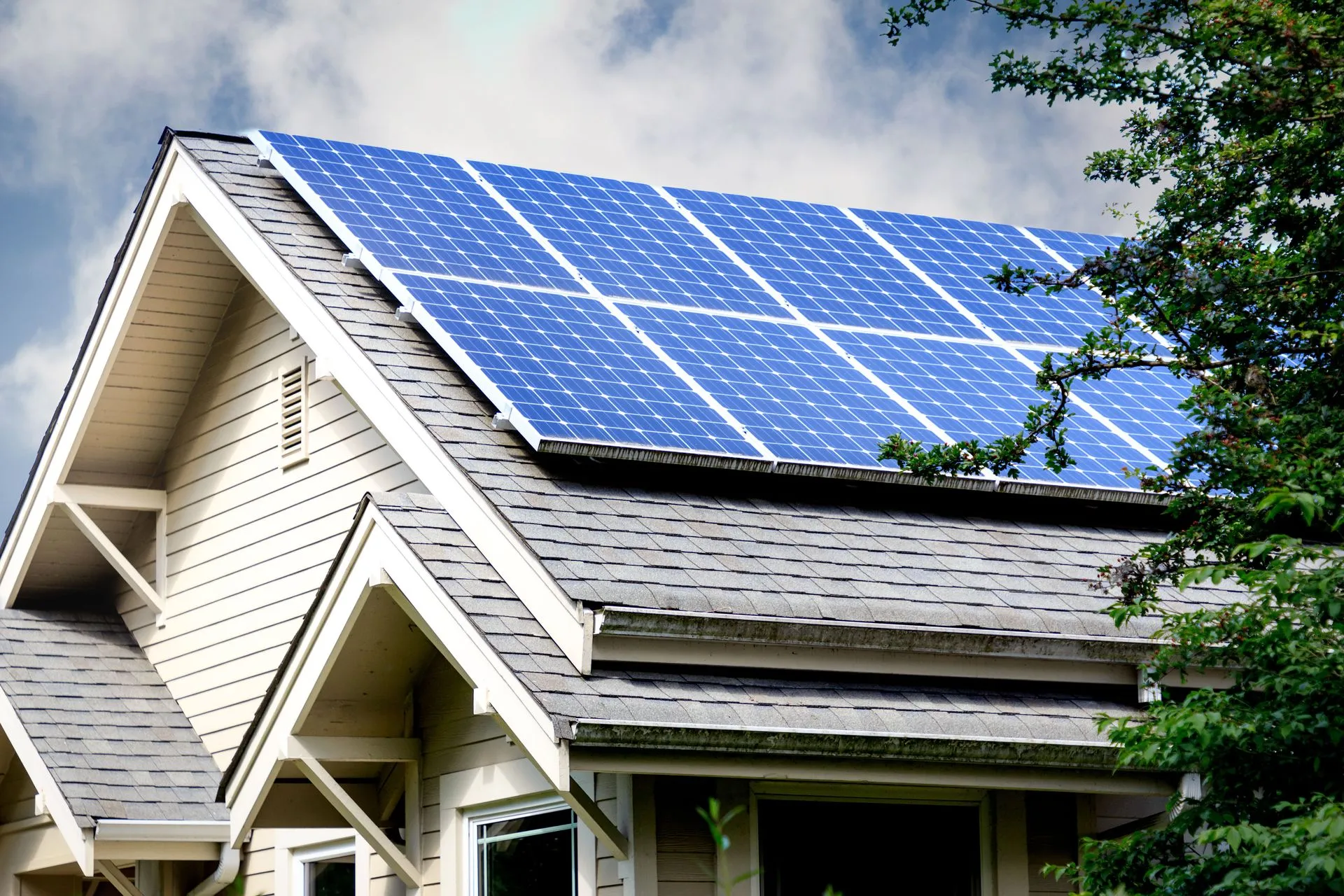
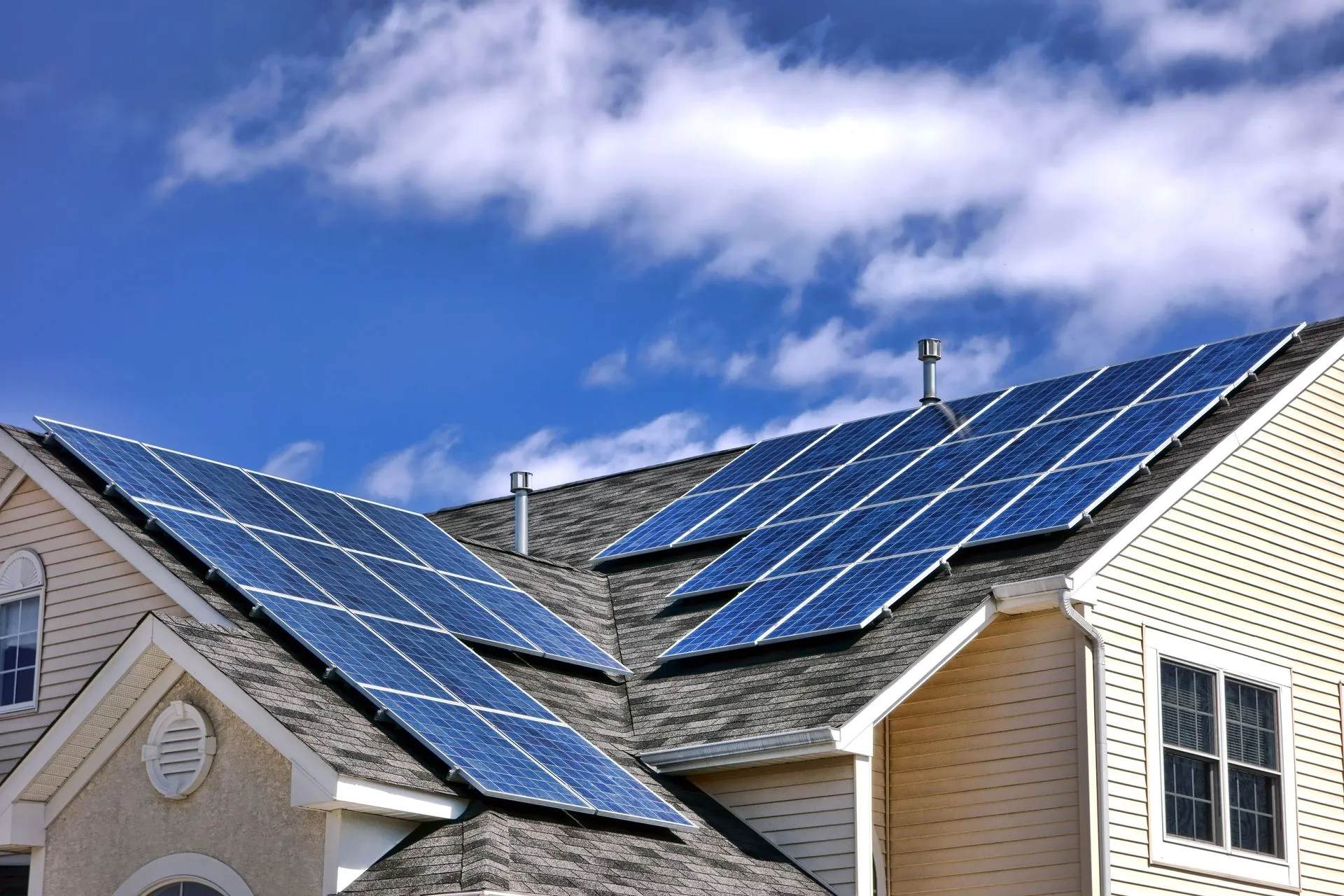
This is where working with one company on both systems changes the math. If your existing roof has ten years of life left and you install solar panels on top of it, you’ll eventually pay to remove and reinstall the array to replace the shingles underneath. That’s real money spent twice.
Our team evaluates roofing and solar together. We look at the age and condition of the roof, the pitch and orientation of each plane, shading, and structural capacity, then give you a straight recommendation on whether to have the roof replaced first, do both at once, or wait. Installing solar during or right after a roof replacement is usually the more cost-effective sequence, and a sound roof supports the performance of the system for decades. When both projects qualify, we can often combine them into a single financing plan.
Storm Damage and Documentation
New Hampshire homes take a beating from wind, hail, and ice. After a storm, we inspect the roof, photograph what we find, and give you a written summary. We can assist with documentation and provide photos if you’re filing a claim, so you have clear records of the roof’s condition and the roof repairs or replacement required.
Frequently Asked Questions
How much is a new roof if I only need part of it replaced?
Partial replacements are sometimes appropriate, particularly on a single slope with isolated damage. We’ll tell you honestly when a section replacement makes sense and when it will simply create a visible line and a future problem.
How much to replace a roof versus repair it?
If the old roof is within a few years of the end of its life, or if there are multiple leak points, repair money tends to be money spent twice. A roof with ten or more good years left and one damaged area is usually a repair. We inspect first, then recommend.
How long does roof installation take?
Professional roofers complete most residential roofs in one to three days. Larger homes, metal roofing, and jobs with significant deck repair take longer. Weather can shift the schedule, and we keep you informed when it does.
Should I replace my roof myself to cut labor costs?
We don’t recommend it. Working at height on a pitched roof carries real risk, and mistakes in flashing and underlayment often show up as water damage a year or two later. Licensed, insured local roofers protect both the house and you.
Do you offer financing?
Yes. We offer financing on qualified roofing and solar projects, including combined projects under one plan. We’ll walk you through the options without pressure.
How much for a new roof on a commercial building?
Commercial and flat roof pricing depends on the system, the substrate, insulation requirements, and rooftop equipment. We handle both residential and commercial roofing and price those projects individually after an on-site evaluation.
Does regular maintenance extend the life of a roof?
It helps. Keeping gutters clear, replacing failed sealant at penetrations, and having a roof inspection every few years catches small issues while they’re still small.
Get a Real Number for Your Home
Online ranges give you a better idea of what to budget, and that’s genuinely useful. The actual cost still depends on your roof, and the only way to know it is to have someone measure the roof area, look in the attic, and check the flashing and ventilation.
Sentry Roofing & Solar brings more than 25 years of exterior construction experience to homes across New Hampshire and northern Massachusetts, along with more than 170 five-star reviews and a reputation built on telling homeowners the truth about what their house needs.
Request Your Roof Replacement Quote and we’ll come out, inspect the roof, and give you a written estimate with every line explained.