A roof in New Hampshire earns its keep in February. Heavy snow, ice dams, spring nor’easters, and wide temperature changes between seasons test a roofing system in ways a mild climate never would.
Choosing among roofing materials here deserves more thought than picking a color. The right choice depends on your home’s architecture, your roof type, your budget, and whether solar panels might be part of your future.
Our team has spent more than 25 years working on New Hampshire and northern Massachusetts homes. Below, we explain which materials withstand harsh weather conditions best, how roof style and flashing affect performance, and what to weigh before your next roof replacement.
What Are the Most Durable Roofing Materials?
In our climate, durability comes down to how a material handles moisture, freeze and thaw cycles, UV rays, and wind uplift. A roof also has to shed water quickly during heavy rain and spring melt.
Installation matters just as much as the product. The roofing industry broadly agrees that installation methods determine how a material performs in severe weather. A premium shingle that is not securely fastened or correctly flashed will not deliver long-lasting protection.
Slate
Natural slate is one of the most durable roofing materials available. A well-installed slate roof can last more than a century, and its density gives it strong resistance to wind and moisture. Original slate still tops historic homes and town buildings across New England.
The tradeoffs are weight and a higher cost. Some homes need reinforcement of the roof structure, and installation calls for specialized skill.
Metal Roofing
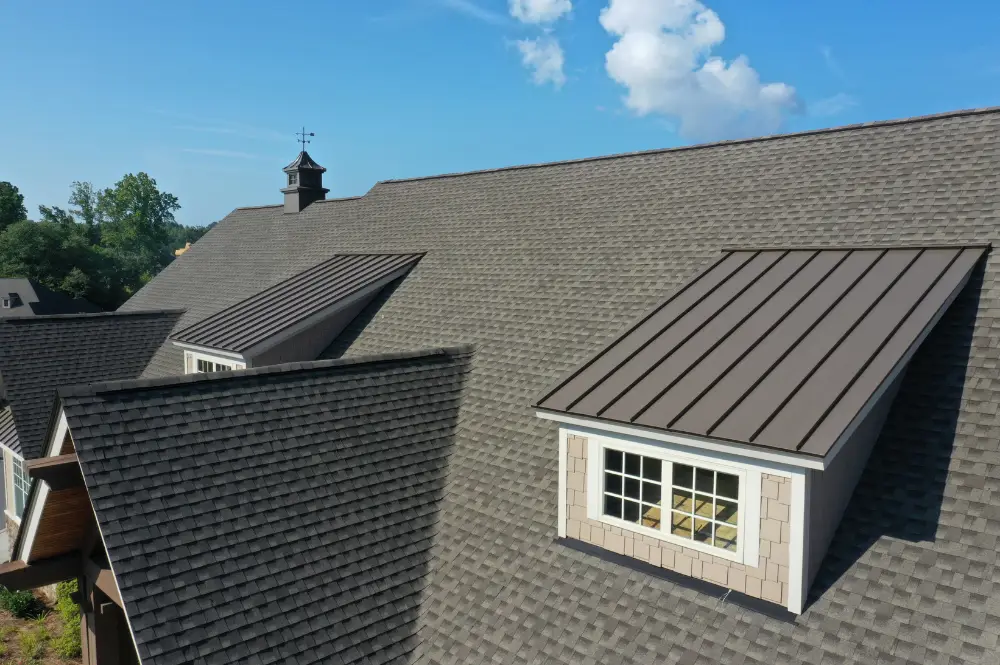
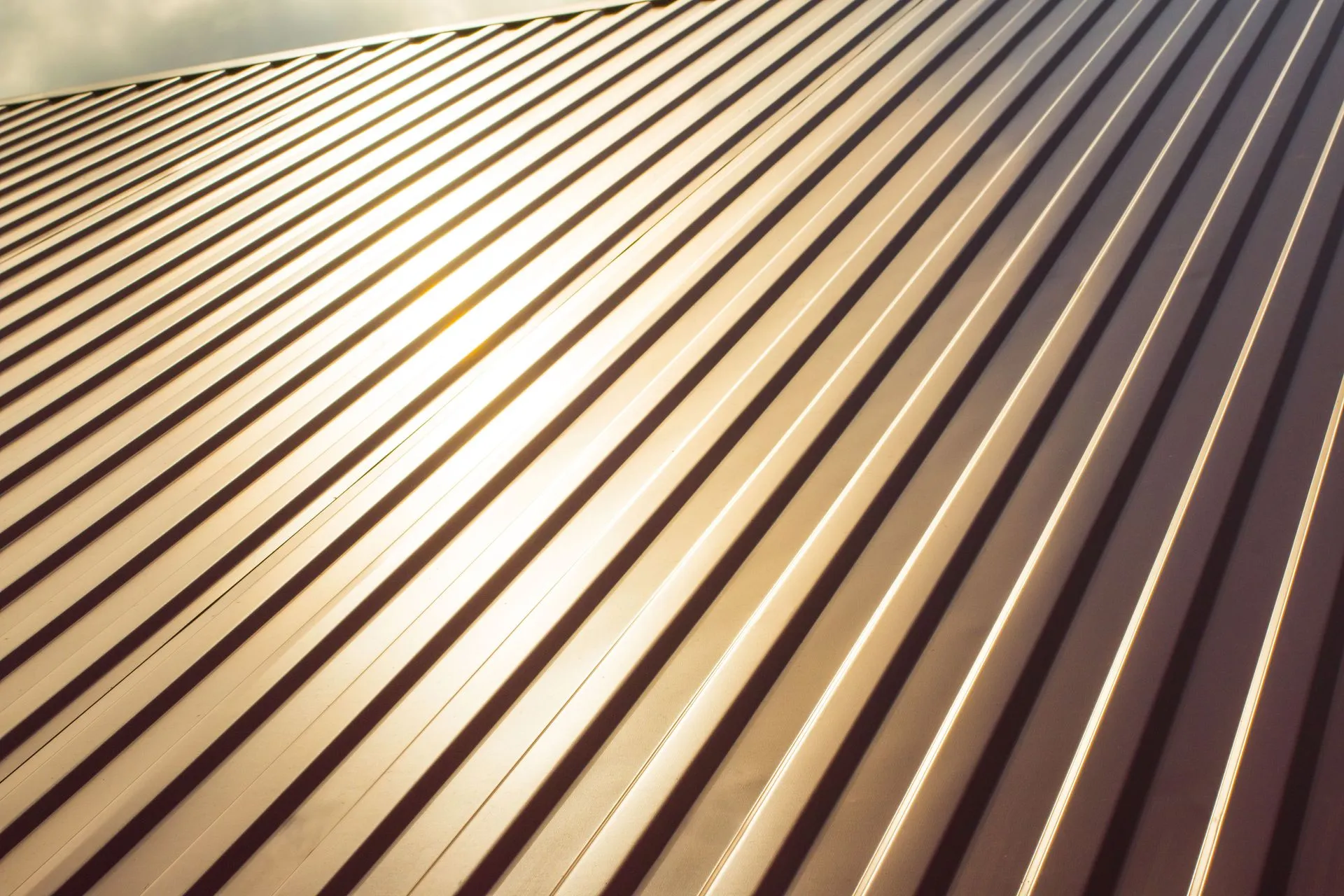
A metal roof can last more than 50 years. Standing seam metal is widely considered one of the strongest options for wind resistance and rain shedding, and some systems are tested for winds up to 150 mph. Snow also slides off metal more readily than shingles, which helps limit ice dams at the roof edge.
Many metal roofing products contain recycled materials and can be recycled again at the end of their service life, which reduces their environmental impact.
Synthetic Slate and Composite Shingles
Synthetic composite shingles made from engineered polymers recreate the look of slate or cedar in a lightweight material. Many carry high impact and wind ratings and tolerate temperature changes well. They suit homeowners who want traditional aesthetic appeal without the structural demands of natural slate.
Asphalt Shingles
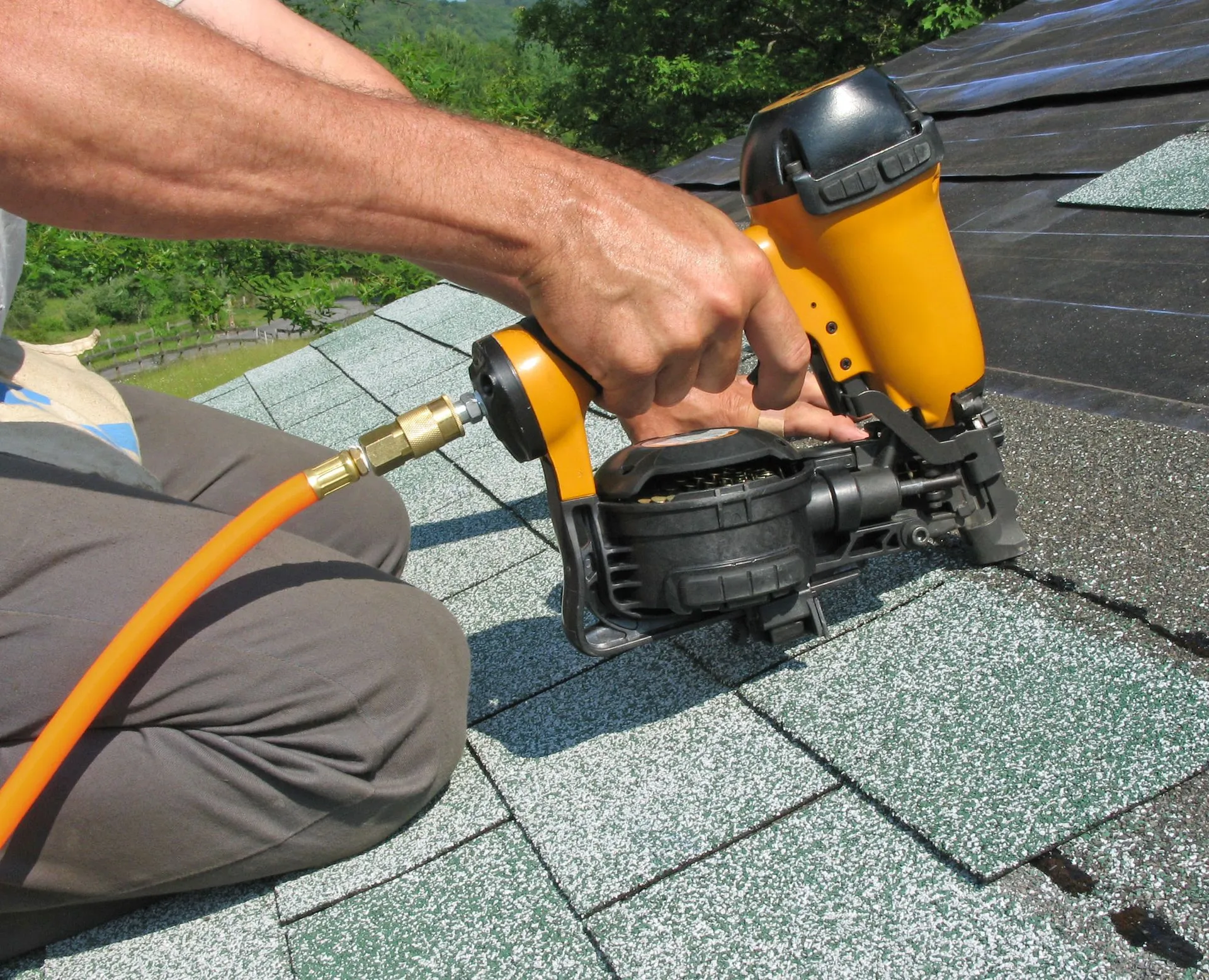
Asphalt shingles remain the most common roofing material in New Hampshire. They are cost effective, available in a wide range of colors, and allow relatively easy installation and repair.
Architectural shingles are thicker and more dimensional than older 3-tab styles. Premium architectural shingles typically last 25 to 40 years, and many are rated for winds up to 130 mph when installed to the manufacturer’s specifications. Designer shingles take the look further, mimicking slate or shake for added curb appeal.
Cedar Shakes
Cedar has classic New England character and can perform well for decades. In our damp climate, shaded sections are prone to moss and mold growth, so cedar depends on regular maintenance.
Metal Roofing in New Hampshire
More homeowners are asking us about metal roofing in New Hampshire. The interest makes sense: metal handles heavy snow, strong winds, and driving rain well, and it often outlasts shingle roofs by many years.
A few details are worth understanding before you commit:
- Snow guards matter. We often recommend them above entryways, decks, and walkways.
- What sits under the panels counts. Metal is one layer of the roofing system. The underlayment and ventilation over the roof deck affect condensation and long-term performance.
- Panel style affects appearance and price. Standing seam panels hide their fasteners and need less upkeep.
How Much Does a Metal Roof Cost?
A metal roof comes with a higher cost upfront than asphalt shingles. Several key factors shape the final price:
- Roof size and pitch
- Panel type and gauge
- Chimneys, skylights, valleys, and other roof features that need custom flashing
- Tear-off of the existing roof and any repairs to the decking
- Snow guards, trim, and color options
That investment is often balanced by a longer lifespan and fewer repairs over time. An on-site roof inspection is the most reliable way to understand your cost. We provide clear, itemized estimates so you can compare options side by side.
How to Choose a Roofing Style
Roof style and roofing material work as a pair. The shape of a sloped roof influences how snow sheds, how water runoff reaches the gutters, which materials suit it, and how much space is available for solar panels.
Most homes in our area have one of two types of roof, or a combination of both.
What Is a Gable Roof?
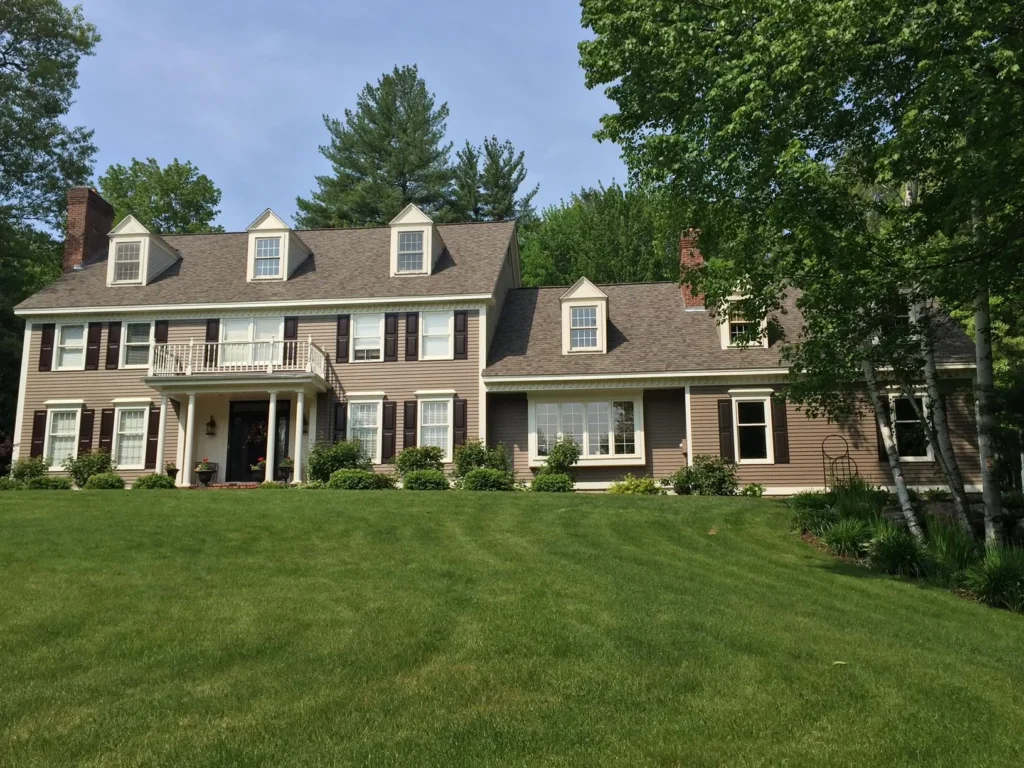
A gable roof has two slopes that meet at a central ridge, forming a triangle at each end of the house. It is the familiar shape on Capes and Colonials throughout New England.
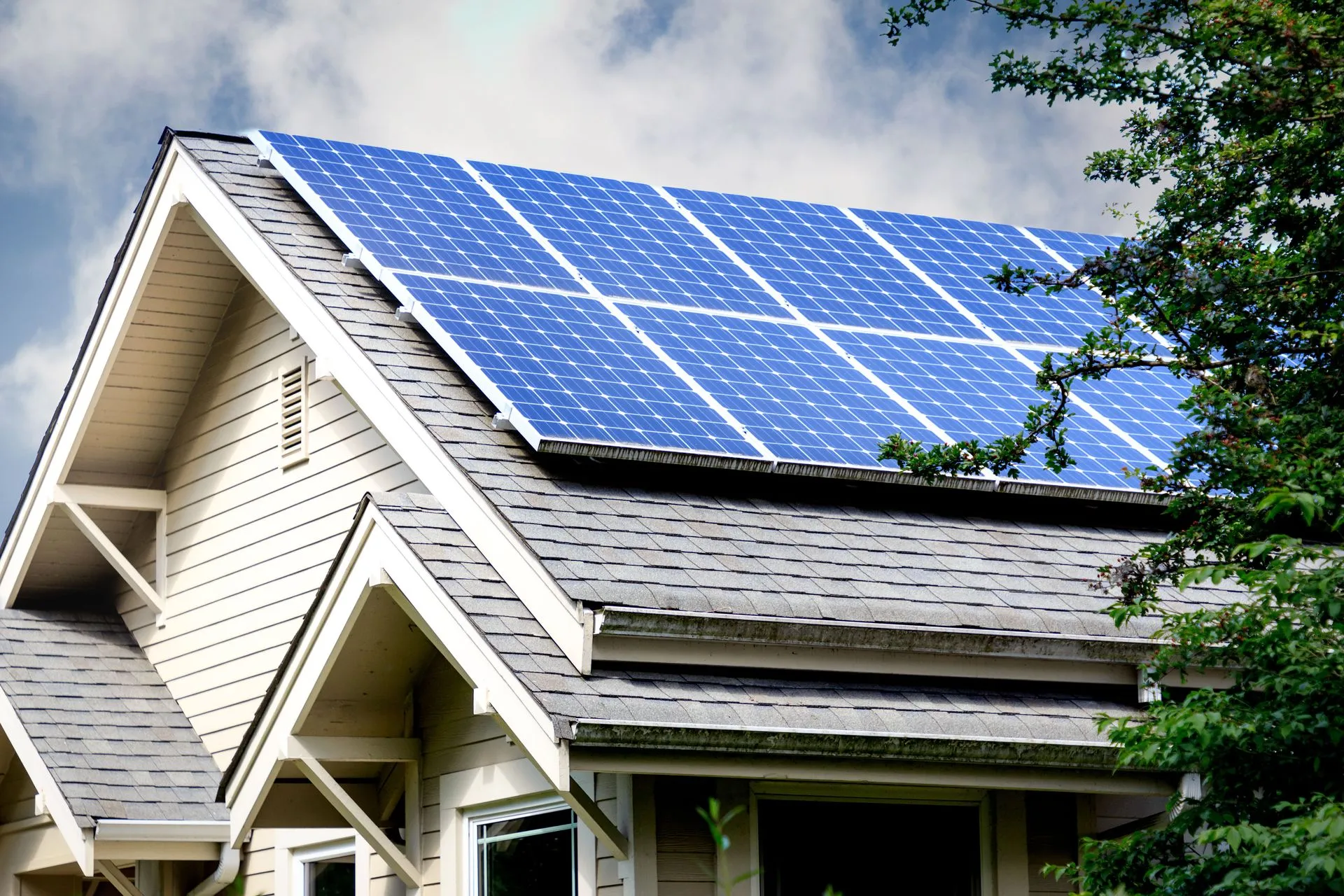
Gable roofs shed snow and rain efficiently, allow good attic ventilation, and are generally simpler to reroof. Their large, open planes also tend to work well for solar.
What Is a Hip Roof?
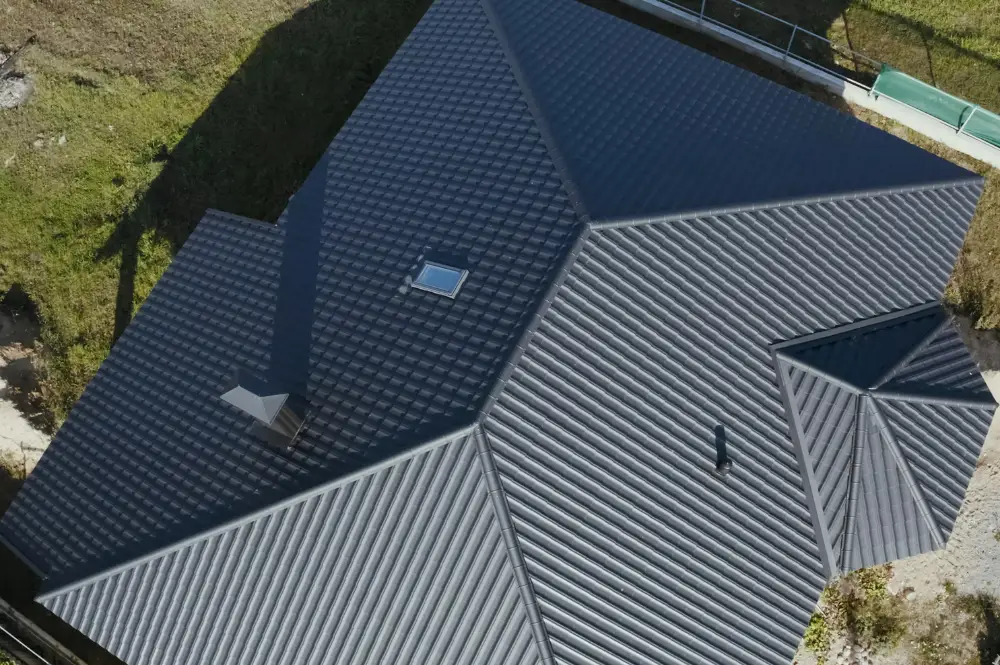
A hip roof slopes down on all four sides, with no vertical gable ends. Because every side is angled, the design is naturally stable in high winds.
Hip roofs have more ridges and valleys, which means more critical areas that depend on careful flashing.
Matching Style, Material, and Home
When helping homeowners choose, we look at a few practical questions:
- What materials complement the home’s architecture?
- How steep is the pitch? Some materials have minimum slope requirements.
- Where does snow collect, and where will it slide?
- Is solar a possibility in the next several years?
- How long do you plan to own the home?
What Is Roof Flashing?
Even the most durable roofing material can leak if the flashing fails. In our experience, many leaks begin at flashing rather than on the roof’s surface itself.
Flashing on a roof is thin metal installed wherever the roof meets another surface or changes direction. It closes small gaps at joints and seams, creates a watertight seal, and helps direct water away from the house and back toward the gutters.
Common Types of Roof Flashing
- Step flashing is installed in overlapping pieces where the roof meets a vertical wall, woven into each course of shingles.
- Base flashing and counter flashing work as a pair at chimneys. Base flashing sits against the brick at the roof line, and counter flashing, sometimes called cap flashing, is set into the masonry above it as an additional layer of protection.
- Apron flashing is a continuous flashing piece along the bottom of a chimney or wherever a roof slope runs into the face of a wall.
- Valley flashing prevents leaks where two roof slopes meet and carries a heavy volume of water.
- Skylight flashing and vent pipe boots seal each penetration through the roof.
- Drip edges guide water into the gutters and protect the edge of the roof deck.
- Kickout flashing diverts water away from a vertical wall and into the gutter where a roof edge ends against siding.
On flat roofs and low-slope commercial roofs, flashing also protects curbs, parapet walls, and expansion joints.
Flashing Materials
Most metal flashing is made from galvanized steel or aluminum. Galvanized steel is strong and resists rust, while aluminum is a lightweight material that also resists corrosion. Copper roof flashing is highly durable and long-lasting, and it is a natural fit on slate roofs, copper roof accents, and historic homes.
In New Hampshire, flashing takes extra punishment from ice expansion and meltwater that backs up behind ice dams. Damaged flashing can allow water intrusion into the roof structure long before stains appear inside. During every roof installation, we inspect the existing flashing and replace it, along with any other flashings, whenever reusing it would compromise the new roof.
What Is a Fortified Roof?
A fortified roof is built to construction standards designed to help it resist high winds and wind-driven rain. The best-known standard is the FORTIFIED program developed by the Insurance Institute for Business & Home Safety (IBHS).
The approach focuses on details that often decide how a roof fares in extreme weather conditions, including a sealed roof deck, enhanced nailing patterns, stronger roof edge details, and impact-resistant materials where hail is common.
Formal FORTIFIED designation requires third-party verification, but the same principles are worth building into any New Hampshire roof. We are glad to talk through which upgrades make sense for your home and budget.
Choosing a Roof With Solar in Mind
If solar panels are on your radar, your roofing decision carries extra weight. A solar system is designed to produce power for decades, so the roof underneath should be ready to last just as long.
A few points we discuss with homeowners:
- Roof age: Installing panels on a roof that will need replacing in a few years means removing and reinstalling the system later.
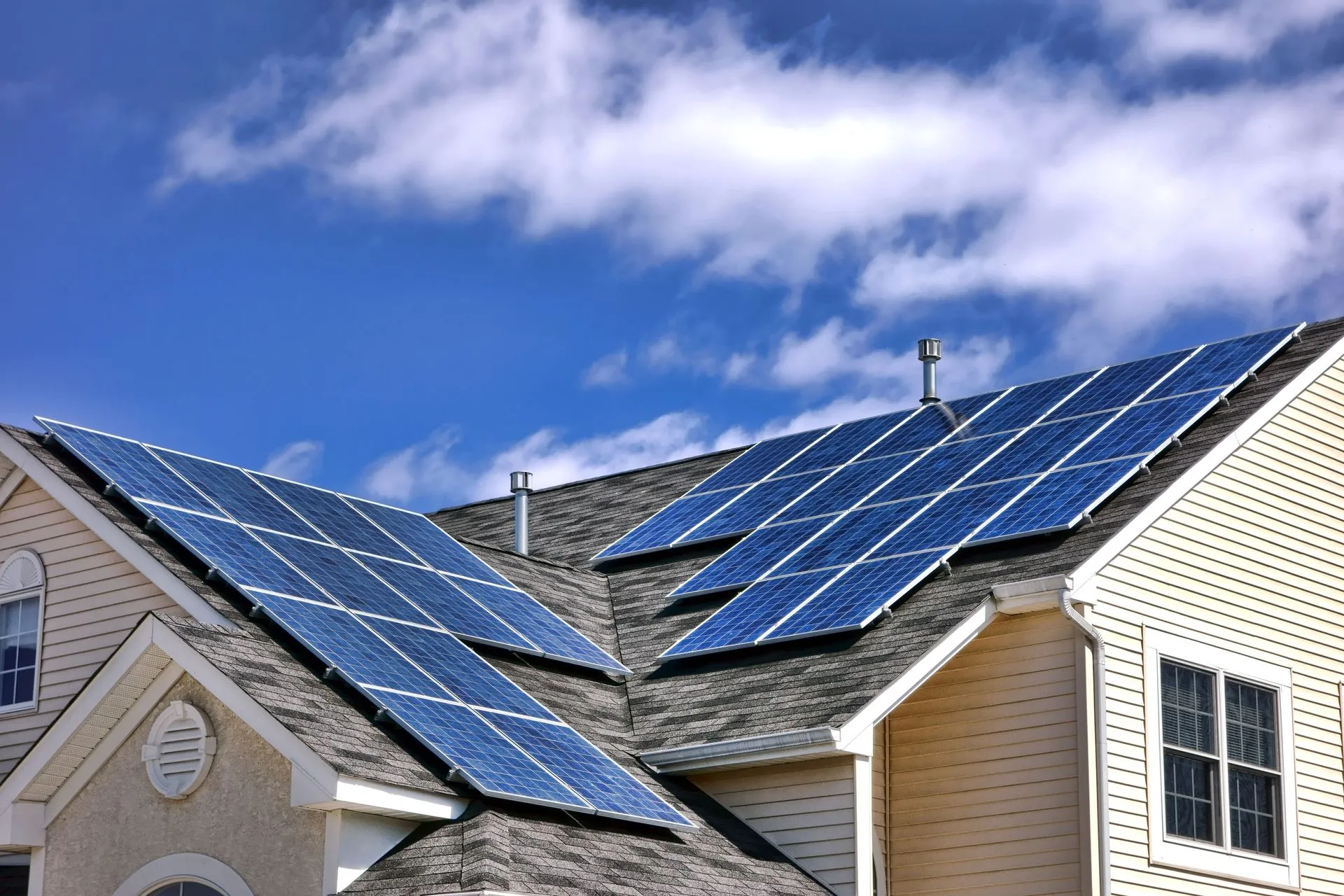
- Material compatibility: Architectural shingles and standing seam metal both pair well with solar. Standing seam allows panels to attach with clamps on the seams, avoiding new roof penetrations.
- Layout and orientation: Roof style, pitch, and obstructions all affect how many panels fit and how well they perform.
Because Sentry handles both roofing and solar, our team evaluates the two together. We offer roof compatibility assessments, and qualified roofing and solar projects can be combined into a single financing plan. You work with one team, on one timeline, with one point of contact for both systems.
Why New Hampshire Homeowners Choose Sentry Roofing & Solar
Picking a material is one decision. Choosing the roofing contractor who installs it determines how well that material performs over the years.
Homeowners across New Hampshire and northern Massachusetts trust Sentry with their roofing projects for a few consistent reasons:
- 25+ years of exterior construction experience on homes that face real New England winters
- A lifetime workmanship warranty on our roofing installations
- 170+ five-star reviews from neighbors and local businesses
- Roofing and solar expertise in one company, so both systems are planned together
- Residential and commercial roofing capabilities
- Honest recommendations with no high-pressure sales tactics
As a professional roofing contractor, we explain your options in plain language, show you what we find during the inspection, and recommend the material that fits your home and goals. If a repair makes more sense than replacing the entire roof, we will tell you.
Find the Right Roofing Material for Your Home
The best roofing material for your neighbor may not be the best one for you. Our team will inspect your roof, walk you through the options that suit your home’s style and our New Hampshire climate, and give you a clear, honest recommendation for your new roof.
Request Your Roof Replacement Quote today to start the conversation.
Frequently Asked Questions
What are the most durable roofing materials for New Hampshire homes?
Natural slate and metal offer the longest lifespans in our climate. Synthetic slate and premium architectural shingles also hold up well to harsh weather when installed with proper ventilation and ice and water protection.
What is a composition roof?
A composition roof is covered with composite shingles, most often asphalt shingles made from a fiberglass mat, asphalt, and mineral granules. Composition shingles are the most common choice in New Hampshire because they balance cost, appearance, and dependable performance.
What is flashing on a roof, and how do I know if it is failing?
Flashing is the metal that seals joints around chimneys, walls, vents, skylights, and valleys. Warning signs include ceiling stains near a chimney or wall, rusted or loose metal visible from the ground, and cracked sealant. Catching damaged flashing early helps prevent leaks and costly repairs, and a roof inspection is the best way to confirm the source.
Should I replace my roof before installing solar panels?
If your roof is nearing the end of its lifespan, replacing it first is usually the smarter long-term move. Our team can complete a roof compatibility assessment to help you decide, and qualified projects can be combined into one financing plan.